By Margo Goodhand, Michener Awards President
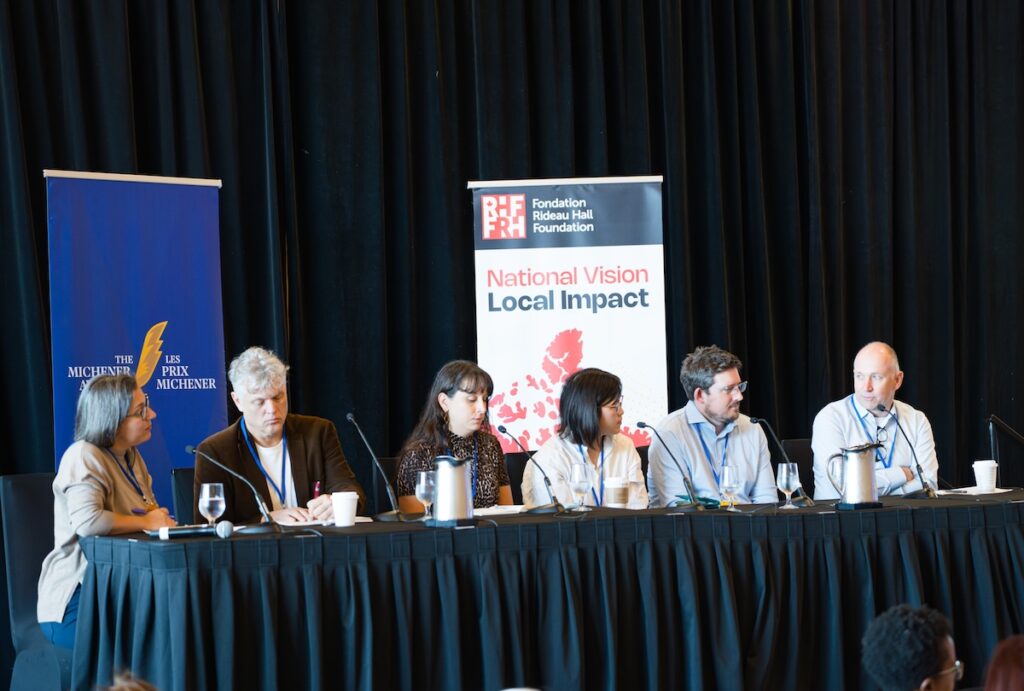
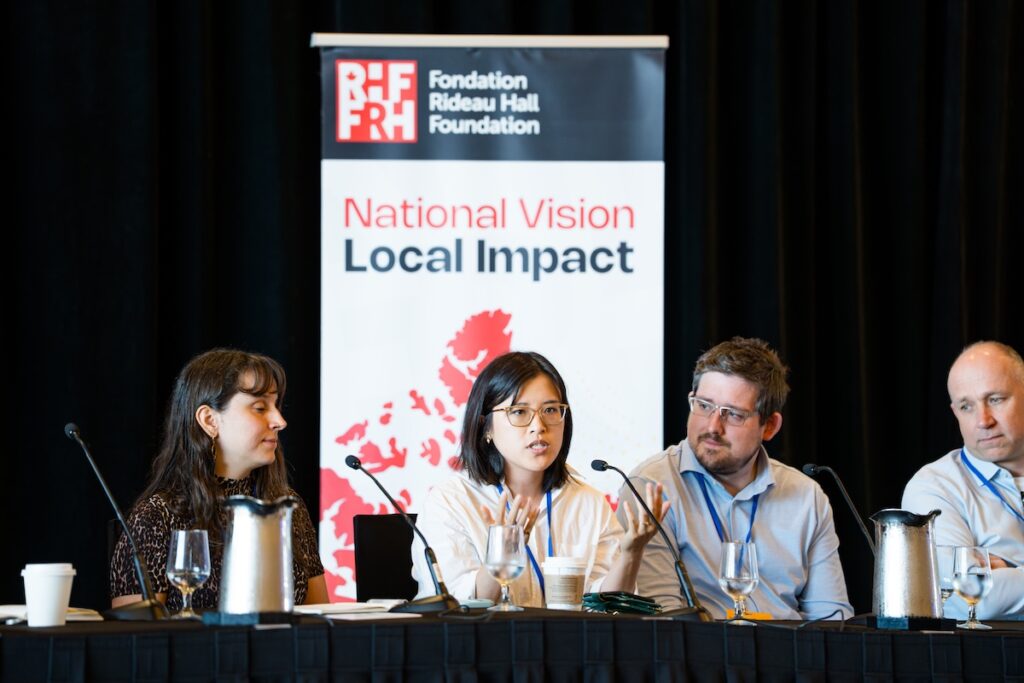
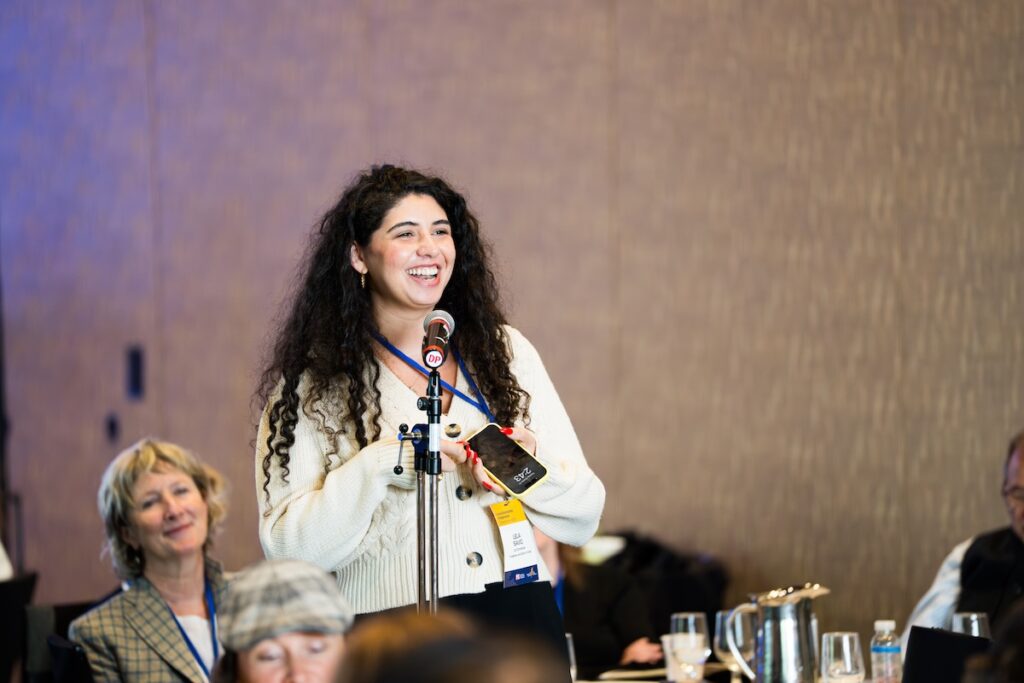
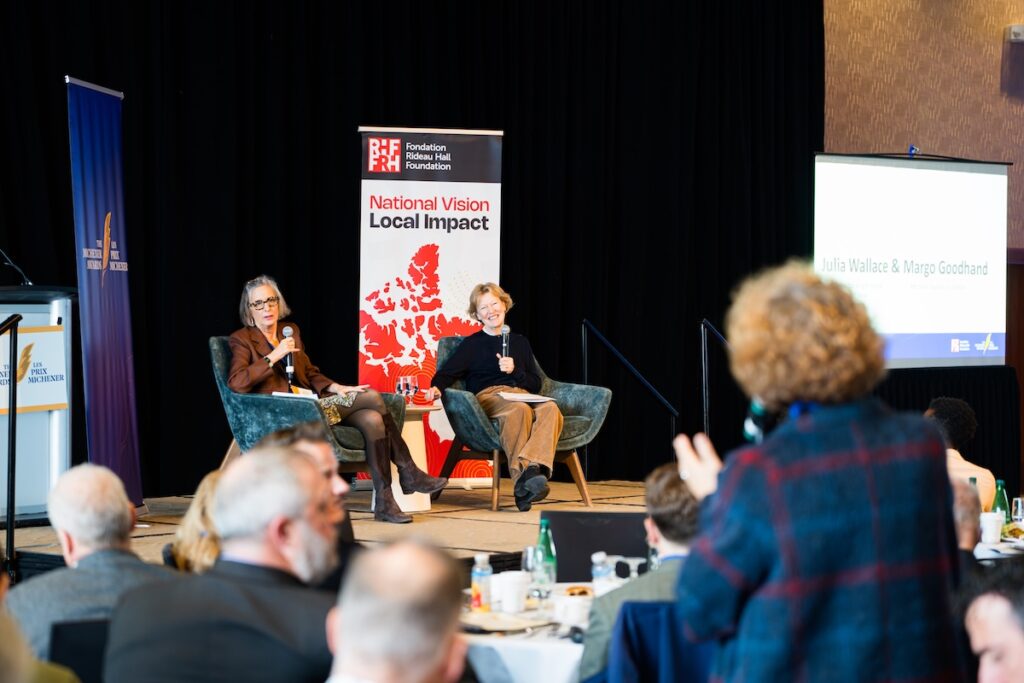
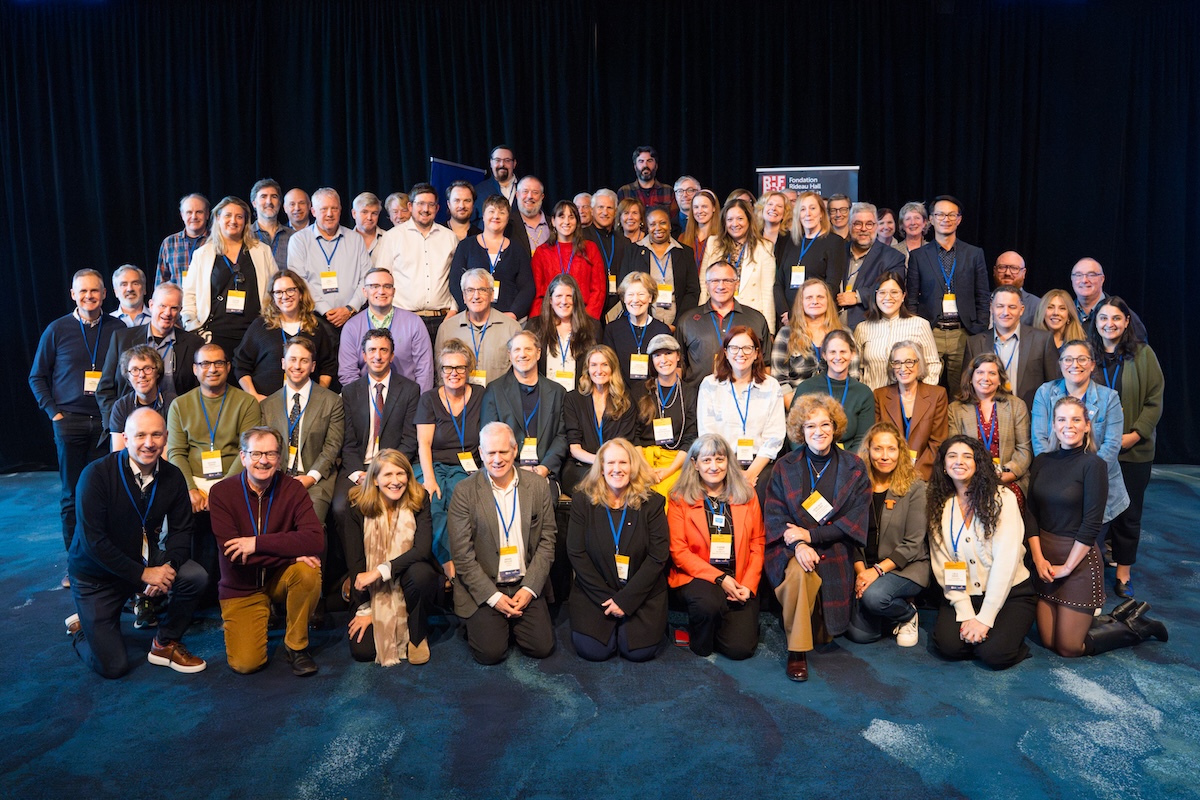
Last week the Michener Awards Foundation (MAF) teamed up with the Rideau Hall Foundation (RHF) to host a local news symposium in Charlottetown, PEI.
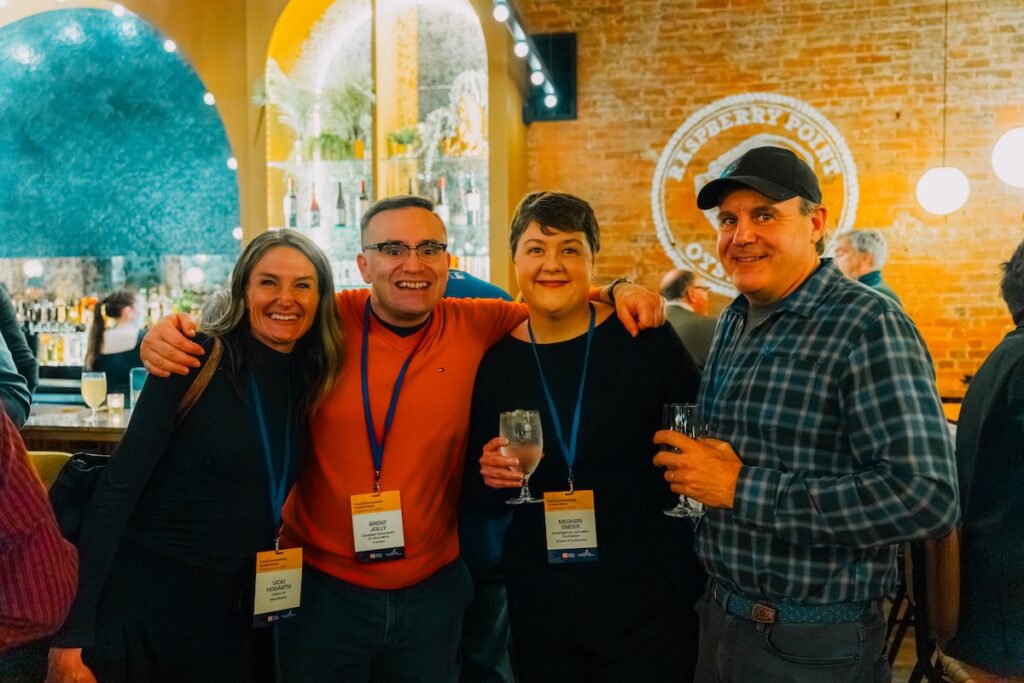
It was a provocative set of discussions, an inspiring brainstorm, a classic bitch-fest, an excellent party, all of the above.
But as one of our 80-odd invitees said at its conclusion on Oct. 22, it was, above all, hopeful.
Hope is not a word local news publishers throw around too often these days. More than 500 local newsrooms have closed in nearly 250 communities over the last 15 years in Canada.
Publishers are struggling to find solutions as ads and subscriber bases decline, amidst a surge of disinformation and distrust in media. The industry itself is so challenged it hadn’t held a national media conference in years.
Until last year.
The MAF and the RHF hosted the first local news symposium because both organizations believe that healthy news systems are critical to the well-being of our communities and our democracy. We’ve seen the statistics on places with no local news: lower voter turnout, less community engagement, less social cohesion.
What could we do?
Last year, we invited independent local news publishers — from Haida Gwaii to PEI — to come and share their challenges with each other and with representatives from a few Canadian foundations and policy makers.
It was an extraordinary event. More than one participant commented on the ‘magic in the room.’
Last week at PEI 2.0, there was an even greater buzz of connection as newsrooms shared best practices and innovations, and philanthropic delegates showed up with a stronger, more focussed mission to help.
In 2024, we partnered with Public Policy Forum to produce an important post-symposium report called The Lost Estate: How to put the Local back in Local News that included a series of excellent recommendations. We will be collaborating again with PPF on another report following this most recent symposium.
But it already feels as though the networks and the knowledge shared in Charlottetown are producing significant change for the good.
Exhibit One: a remarkable project called Covering Canada, initiated by the PPF’s CEO Inez Jabalpurwala during last spring’s Canadian election.
A group of non-partisan Canadian foundations came together to support big ideas from smaller local newsrooms, intent on bolstering federal election coverage from coast to coast to coast. The RHF wholeheartedly supported and administered the project, and an ad-hoc jury of Michener board members adjudicated applications from small newsrooms across the country. In total 40 grants were awarded. More importantly, it produced some remarkable journalism.
The Michener board loved this bold and unique project, which had the lofty goal of supporting smaller local newsrooms, ambitious public service journalism and Canadian democracy, all at the same time.
Thanks to shared values and mutual trust, PPF, RHF and MAF pulled the project together within days, while still maintaining the right focus and principles.
In true Michener fashion, we hoped — as one of our board members noted — to encourage smaller newsrooms to think big; to tell stories that were not otherwise going to be told.
And many of them knocked it out of the park.
David Skok of The Logic called this fund “one of the most effective and journalistically respectful initiatives I’ve encountered…”, adding it “should be a model for how public-service journalism is supported in this country.”
It’s too soon to say now whether there will be a “PEI 3” or some other Michener/RHF incubator/symposium somewhere.
We’ll keep you posted.
All I do know is that the Micheners will always be ‘Canada’s Pulitzer Prize’ for excellence in public service journalism, but that requires a healthy local news system. It would be difficult, if not impossible — as local journalism continues to fight to survive — to turn a blind eye to its decline.
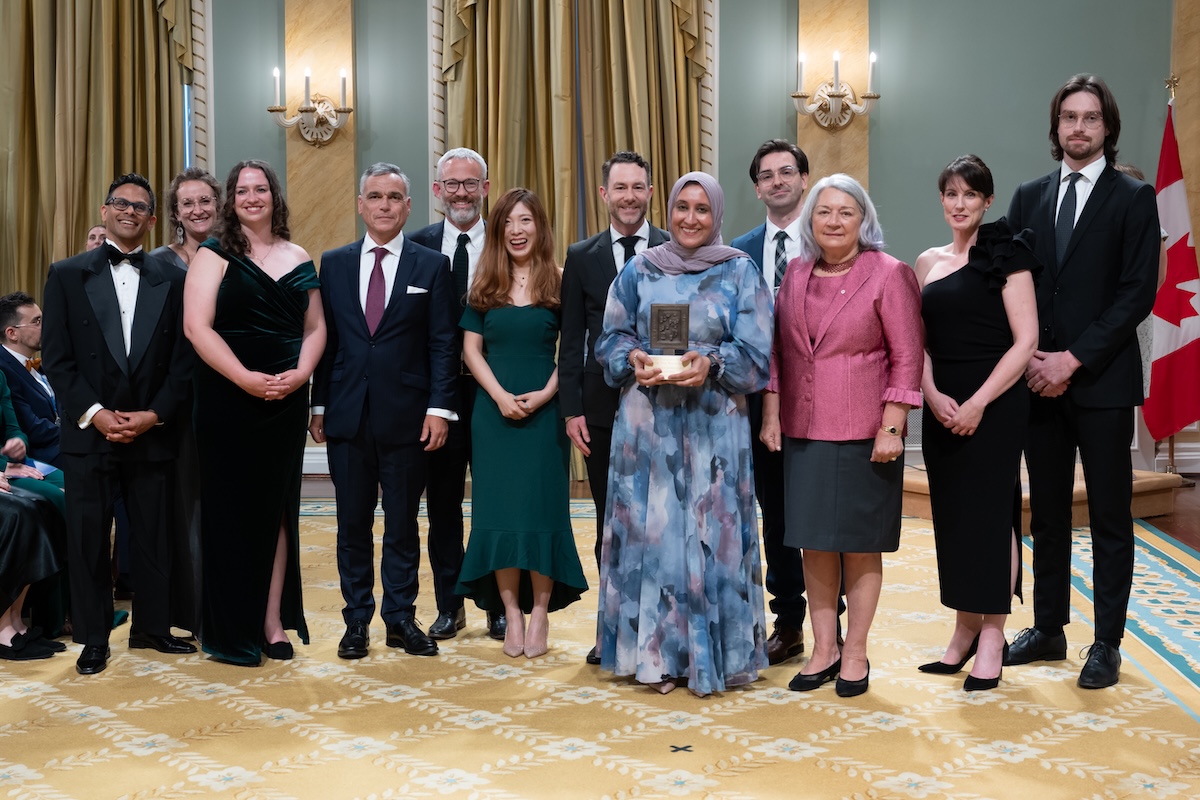
The Michener board has been recognizing and celebrating ambitious public service projects for more than 50 years, but these days, with our partners at RHF, we are actively engaged in one.
There are ‘green shoots’, one board member noted hopefully on PEI, in some new and excellent digital startups, employee-owned newsrooms, and fiercely local community networks.
We need to find those shoots and help them grow.